Want to reduce fuel costs for fleet operations in 2026? As fuel prices fluctuate and regulations tighten, fleet managers can cut expenses by 10-30% using smart, data-driven strategies.
As Lama Group, your trusted partner in fuel management, wholesale distribution, and retail solutions, we understand the pressures fleet operators face in 2026. With fuel prices stabilizing after recent volatility but still subject to global fluctuations averaging around $3.60 per gallon nationally fuel remains a top expense, often comprising 15-30% of operational costs. The good news? Advances in telematics, sustainable practices, and data driven strategies can slash these costs by 10-30%, boosting profitability and sustainability. In this guide, we’ll explore proven, actionable tactics tailored for 2026’s landscape, including electrification trends and AI-optimized routing.
Why Fuel Cost Reduction Matters More in 2026
The fleet industry is evolving rapidly. Lower freight rates and softer used vehicle prices offer breathing room, but rising regulatory demands for emissions reductions and the push toward electrification mean fleets must adapt or risk higher long-term expenses. Data from recent reports shows that fleets adopting proactive measures like telematics can save upwards of $10,000 annually per vehicle through efficiency gains. Whether you’re managing delivery vans, heavy-duty trucks, or mixed fleets, these strategies focus on immediate wins while preparing for a greener future.
10 Proven Strategies to Cut Fuel Costs
Here are evidence-based approaches, drawn from industry experts and 2026 trends. Implementing a combination can yield compounding savings aim for a 5-10% initial reduction to directly impact your bottom line.
1. Leverage Telematics for Real-Time Monitoring and Insights
Telematics systems provide visibility into fuel consumption, idling, and inefficiencies, potentially reducing costs by 15-30%. In 2026, AI-enhanced platforms analyze patterns to predict and prevent waste. Integrate with fuel cards for fraud detection and automated alerts.
2. Optimize Routes with Advanced Planning Tools
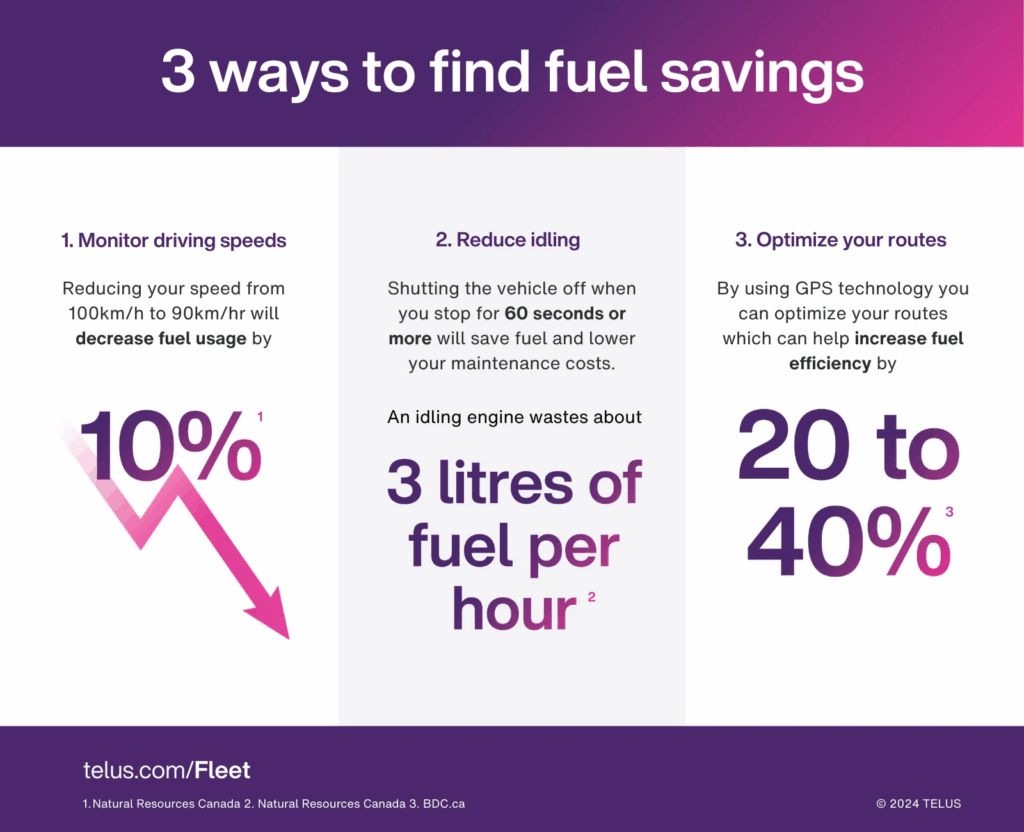
Poor routing adds unnecessary miles and idle time. Use GPS and AI for dynamic rerouting based on traffic, weather, and real-time data, cutting fuel use by 10-20%. Tools like these save thousands of gallons annually by minimizing delays.
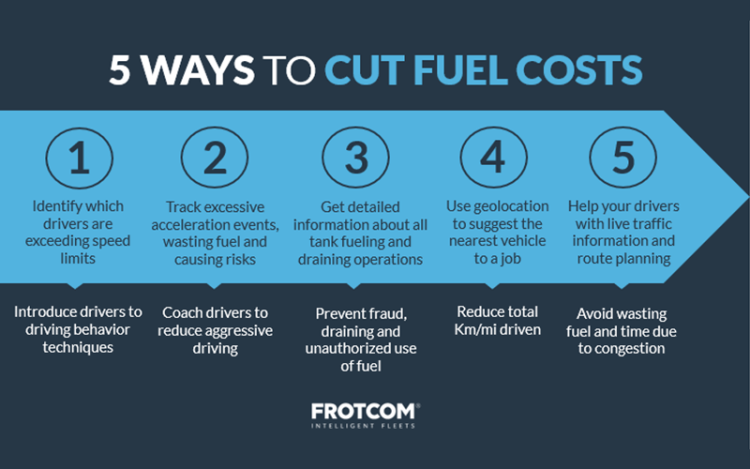
Reduce costs with Frotcom’s Fuel Management – Frotcom
3. Train Drivers and Monitor Behavior
Aggressive driving, speeding, and excessive idling waste up to 30% more fuel. Implement eco-driving programs with scorecards and incentives, reducing consumption by 5-15%. In 2026, gamified apps make training engaging and effective.
4. Prioritize Preventive Maintenance
Under-inflated tires alone drop efficiency by 3%, while neglected engines compound issues. Schedule regular checks for tires, filters, and alignments using predictive analytics to avoid breakdowns and extend vehicle life.
5. Use Fuel Cards and Wholesale Purchasing
Fuel cards offer rebates (up to 6¢ per gallon) and detailed tracking, simplifying expense management. Buy wholesale for bulk discounts and store on-site for predictable pricing, ideal for larger fleets.
6. Reduce Idling and Vehicle Weight
Idling burns about 1 gallon per hour in trucks—enforce policies with auto-shutoff tech to cut this by half. Lighten loads by 10% for 6-7% better economy; right-size your fleet to avoid oversized vehicles.
7. Adopt Alternative Fuels and Electrification
Transition to biofuels, hybrids, or EVs for lower long-term costs and emissions compliance. In 2026, incentives make EVs viable, with reduced maintenance offsetting initial investments.
8. Implement Data Analytics for Continuous Improvement
Track metrics like MPG and cost per mile with software for trend analysis. Monthly reviews can uncover hidden savings, turning data into dollars.
9. Fuel in-Network and Maximize Rebates
Stick to partnered stations for discounts and rebates, compounding savings over high-volume purchases. For a 100,000-mile fleet, this could return $9,000+ annually.
10. Explore Fuel Risk Management
Hedge against price spikes with forward contracts or analytics to leverage regional variations. This stabilizes budgets in volatile markets.
| Strategy | Potential Savings | Implementation Ease | 2026 Relevance |
|---|---|---|---|
| Telematics Monitoring | 15-30% | Medium (Tech Investment) | High (AI Integration) |
| Route Optimization | 10-20% | High (Software Tools) | High (Real-Time Data) |
| Driver Training | 5-15% | High (Programs/Incentives) | Medium (Ongoing) |
| Preventive Maintenance | 3-10% | High (Schedules) | High (Predictive Tech) |
| Fuel Cards/Wholesale | Up to 6¢/gallon | High (Partnerships) | High (Rebates) |
| Reduce Idling/Weight | 5-10% | Medium (Policies/Tech) | Medium |
| Alternative Fuels/EVs | 20-50% Long-Term | Low (Transition) | Very High (Regulations) |
| Data Analytics | 5-15% | Medium (Software) | High (Trends) |
Measuring Success and Next Steps
Track ROI with key metrics: fuel spend per mile, idle time reduction, and overall efficiency gains. Start small—pilot telematics on 20% of your fleet—and scale based on results. In 2026, fleets that combine these strategies not only cut costs but also lower emissions, aligning with global sustainability goals.
At Lama Group, we offer customized fuel management solutions, from wholesale partnerships to consulting on telematics integration. Contact us today to audit your fleet and unlock savings—let’s drive your operations forward efficiently!